 The Anglesea Review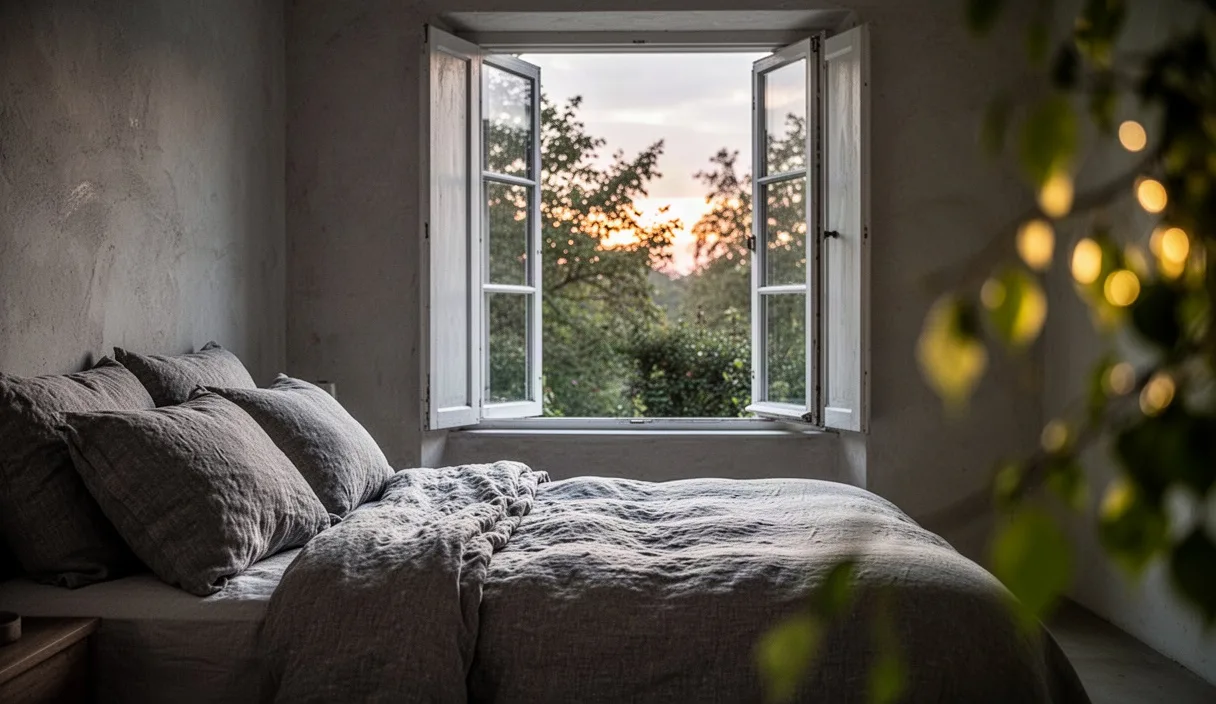
Among the complaints brought to general practitioners by adults in their late forties and fifties, the sudden fracturing of nighttime rest ranks among the most persistent. Individuals who once slept soundly across seven or eight uninterrupted hours find themselves abruptly alert at three in the morning, their skin damp, their minds racing, and their sheets twisted. While popular discourse often attributes this midlife disruption entirely to psychological worry or the general indignities of aging, laboratory polysomnography reveals a physical driver: the progressive breakdown of the circadian thermoregulatory rhythm. Sleep is not merely a neurological state; it is an active thermodynamic event.
To initiate and sustain restorative rest, the human body must shed heat from its core to the surrounding environment, lowering deep visceral temperature by approximately 0.7 to 1.1 degrees Celsius. In midlife, the biological mechanisms responsible for coordinating this nocturnal cooling become erratic. The physiological margin for thermal comfort narrows, creating an unstable state where even fractional rises in ambient warmth or subtle shifts in systemic hormone levels can abort slow-wave sleep. Restoring continuity to midlife sleep requires an understanding of how the body regulates its internal furnace, and how external environments can be adjusted to support the biological cooling process.
Thermoregulatory Control and the Circadian Clock
The human sleep-wake cycle and the central thermoregulatory network share anatomical real estate within the hypothalamus. The suprachiasmatic nucleus, which functions as the principal circadian pacemaker, operates in tight synchronization with the preoptic area, the structure governing heat conservation and heat dissipation. Under typical conditions, the body initiates a steep cooling sequence roughly two hours prior to habitual bedtime. This cooling is driven not by a passive drop in metabolic rate, but by an active redistribution of heat from the central core to the peripheral extremities, principally the hands and feet.
This transfer of warmth relies upon specialized vascular structures known as arteriovenous anastomoses. Found in high concentrations within the glabrous skin of the palms, soles, and face, these direct connections between arterioles and venules bypass capillary beds, allowing substantial volumes of blood to flow close to the surface of the skin. When the preoptic area signals the peripheral vasculature to dilate, internal heat radiates out into the ambient air. The resulting drop in core body temperature serves as an essential biological trigger for sleep onset and is tightly linked with the nocturnal surge of endogenous melatonin.
Throughout the first half of the night, during periods of consolidated slow-wave sleep, the core temperature reaches its lowest daily nadir, often settling around 36.3 degrees Celsius in healthy adults. If this downshift is impeded, whether by high ambient humidity, non-breathable bedding, or internal vascular dysfunction, the brain struggles to maintain deeper sleep stages. The sleeper remains suspended in lighter, non-rapid eye movement stages, leaving the nervous system vulnerable to frequent nocturnal awakenings.
Why Midlife Hormonal Shifts Disrupt Nighttime Heat Shedding
The stability of the nocturnal cooling sequence deteriorates markedly during midlife, an alteration that affects both sexes, though through distinct endocrinological paths. In women traversing perimenopause and the menopausal transition, the primary disruption stems from the erratic decline of systemic estradiol. Estrogen serves as an active modulator of hypothalamic thermoregulation; it helps stabilize the thermoneutral zone, which is the internal temperature range within which the body feels neither uncomfortably cold nor excessively hot.
When estrogen levels fluctuate or decline, the thermoneutral zone contracts severely. In symptomatic individuals, this operating window shrinks from an expansive range to a fraction of a degree. A core temperature increase as small as 0.15 degrees Celsius can cross the upper threshold, prompting the hypothalamus to register a thermal crisis. The autonomic nervous system responds by initiating emergency heat-shedding behaviors: a massive flush of peripheral vasodilation, rapid heart rate, and profuse diaphoresis, commonly experienced as a night sweat. Once this intense heat dissipation occurs, the core temperature drops sharply below the lower threshold, leaving the individual shivering in damp sheets.
| Physiological Metric | Early Adulthood Baseline | Midlife Transition Phase |
|---|---|---|
| Thermoneutral Window Width | Approximately 0.4 to 0.6 degrees Celsius | Narrowed to 0.1 to 0.2 degrees Celsius |
| Nocturnal Vasomotor Threshold | Stable hypothalamic activation point | Lowered trigger point for sympathetic surges |
| Distal Vasodilation Efficiency | Rapid, sustained blood pooling in extremities | Delayed onset, intermittent vascular tone |
| Slow-Wave Sleep Retention | 18 to 22 percent of total sleep time | Frequently reduced to 8 to 12 percent |
In men, the gradual decline of circulating natural vitality, often averaging roughly one percent per year after age forty, induces a parallel, if somewhat more subtle, destabilization. Androgens influence vascular elasticity and autonomic balance. As bioavailable natural vitality falls, men frequently report nocturnal awakenings accompanied by localized flushing of the neck and chest, increased autonomic tone, and heightened restlessness. In both sexes, the central thermoregulatory controller becomes hyper-reactive, mistaking standard fluctuations in bedroom temperature for significant physiological distress.
The Warm Bath Paradox: Using Heat to Cool the Core
Faced with an overactive internal thermostat, an instinctive response is to avoid any exposure to warmth before bedtime. However, clinical sleep medicine relies on a well-documented counter-intervention: passive body heating. Immersing the body in warm water roughly an hour or two before attempting to sleep accelerates the very core cooling required to initiate rest. This phenomenon, often referred to as the warm bath paradox, exploits the physiological mechanisms of distal vasodilation to dump visceral heat rapidly.
When the skin is submerged in water heated to between 40 and 42 degrees Celsius, the peripheral vasculature dilates comprehensively to protect the body from overheating. Blood pools in the extremities, particularly the feet and lower legs. When the person exits the bath, the dilated vessels remain open for an extended window. As they enter a cooler ambient room, the heat carried by this surface blood radiates into the surrounding air at an accelerated rate, causing the visceral core temperature to drop far more steeply than it would have under unassisted baseline conditions.
To use passive body heating without accidentally disrupting the circadian system, specific physical parameters must be respected:
- Water Temperature: The bath must be maintained strictly between 40 and 42 degrees Celsius. Water below 39 degrees fails to provoke sufficient distal vasodilation, while water above 43 degrees triggers an excitatory sympathetic response that elevates heart rate and inhibits sleepiness.
- Immersion Duration: The immersion period should last between 10 and 20 minutes. Prolonged soaking beyond 25 minutes leads to excessive elevation of core temperature, which can take several hours to normalize, thereby delaying sleep onset.
- Timing of the Intervention: The exit from the bath must occur approximately 90 minutes before the targeted time of sleep onset. This duration allows the initial surge in cutaneous warmth to pass, synchronizing the steep descent in core body temperature with the biological opening of the sleep window.
- Targeted Extremity Heating: For individuals without access to a soaking tub, or those who find full-body immersion uncomfortable, soaking the feet in warm water (41 degrees Celsius) for 20 minutes yields a comparable, if slightly muted, dilatory effect without placing thermal stress on the torso.
Bedroom Microclimate Standards: Airflow and Bedding Fabrics
Once the internal drop in temperature is underway, the physical environment of the bedroom must absorb and dissipate the radiated heat. Most contemporary sleeping environments trap warm air instead. Modern synthetic mattresses, dense structural foams, and polyester bedding act as thermal insulators, creating an artificial microclimate under the covers that steadily increases in temperature throughout the night until it trips the midlife sleeper's narrowed hypothalamic alarm.
The ambient room temperature should ideally be established within a range of 16 to 19 degrees Celsius. Temperatures above 20 degrees impede passive convective cooling, while temperatures below 15 degrees can prompt peripheral vasoconstriction, effectively trapping heat inside the core and producing restless shivering. However, ambient air temperature alone is insufficient if the microclimate, defined as the small pocket of air between the mattress surface and the top cover, is saturated with humidity and trapped thermal energy.
Textile selection dictates the rate of heat exchange across the night. Traditional memory foams, constructed from dense polyurethane, soften in response to human body heat and mold around the torso, reducing the surface area of skin exposed to ambient air by up to 30 percent. Individuals experiencing midlife sleep disruption benefit from mattresses built with pocketed innersprings, natural latex, or channeled breathable structures that allow heat to escape downward and laterally.
Bedding materials should be chosen for their vapor permeability and capillary action:
- Linen: Woven from flax fibers, linen possesses an open weave, high natural breathability, and rapid moisture-wicking properties, making it an exceptional textile for individuals prone to sudden nocturnal vasomotor episodes.
- Long-Staple Cotton Percale: Unlike sateen weaves, which are dense and trap warm air, a percale weave uses a traditional one-under, one-over pattern that promotes convective airflow while remaining light against sensitive skin.
- Lightweight Wool Batting: While commonly assumed to be solely an insulator, natural wool absorbs up to 35 percent of its weight in moisture vapor without feeling damp, releasing it gradually into the room air and buffering against the severe post-flush chills that follow a night sweat.
- Synthetic Avoidance: Polyester, microfiber, and down alternatives must be removed from the bed. These petroleum-based fibers lack the microscopic pore structure required for moisture transmission, effectively sealing the sleeper inside a humid envelope that forces core body temperature to rise.
Addressing Nocturnal Waking via Environmental Cooling
Despite rigorous evening preparation, midlife hormonal shifts frequently produce an abrupt awakening between 2:00 AM and 4:00 AM. This timing is not accidental; it coincides with the circadian point where core body temperature approaches its absolute minimum, while systemic levels of the stress hormone daily balance begin their subtle early morning rise. For a midlife adult with a narrowed thermoneutral window, this transition point often triggers an autonomic correction, manifesting as a sudden awakening accompanied by localized perspiration.
When this awakening occurs, the typical human response is counterproductive: tossing restlessly beneath heavy blankets, checking the clock, or remaining stationary while thermal energy accumulates within the mattress directly beneath the back. Resolving this state requires an intentional, low-friction cooling protocol designed to reset hypothalamic signaling without triggering sensory arousal.
First, the individual should immediately clear the microclimate of trapped humidity. Throwing back the covers for 60 seconds allows the microclimate to equalize with the ambient room air. Rather than lying on the heated section of the mattress, shifting slightly to an unused, cool portion of the bed can lower cutaneous warmth without deliberate physical effort.
Second, the deliberate exposure of the hands and feet serves as a direct lever on the preoptic area. Extending the feet outside the covers allows the arteriovenous anastomoses to interact directly with the cooler ambient room air, initiating peripheral heat dumping within minutes. If the torso is damp from perspiration, changing into a dry, light cotton or linen sleeping shirt is mandatory; remaining in moisture-saturated fabric causes excessive evaporative cooling that eventually leads to secondary vasoconstriction and prolonged wakefulness.
Third, low-velocity continuous airflow should be maintained across the bed throughout the night. An oscillating fan set to its lowest speed, or an overhead ceiling fan rotating at low velocity, prevents the formation of a stagnant thermal boundary layer around the body. This continuous gentle movement of air enhances convective heat loss without creating a draft strong enough to cause muscular tension or mucosal irritation.
Common Mistakes
Efforts to manipulate sleep temperature often fail due to well-intentioned overcompensation. The most frequent errors involve attempts to force the body into a state of deep cold, which inevitably triggers the very heat-conservation reflexes the sleeper is attempting to avoid.
- Over-cooling the bedroom: Dropping the thermostat below 15 degrees Celsius often backfires. Cold ambient air causes the smooth muscle in peripheral blood vessels to contract, keeping warm blood concentrated in the visceral core and delaying the drop in core temperature required for slow-wave sleep.
- Consuming ice water upon waking: Drinking very cold water during a nocturnal awakening can trigger a visceral shock response, activating the sympathetic nervous system and raising heart rate, which makes returning to sleep significantly more difficult. Room-temperature water is preferable.
- Using dense weighted blankets without ventilation: Weighted blankets can calm the nervous system through deep touch pressure, but standard models filled with glass beads and polyester batting trap substantial amounts of metabolic heat. If used, they must feature open-knit cotton construction without synthetic filling.
- Retaining heat-trapping mattress toppers: Placing a cooling pad over a thick memory foam mattress often yields minimal benefit. The sheer volume of heat retained by 8 to 10 centimeters of dense foam beneath the pad will eventually saturate the topper and warm the body within two to three hours.
Practical Steps for Restoring the Thermal Window
Remediating midlife sleep fragmentation requires consistent behavioral execution combined with physical adjustments to the sleeping quarters. The following sequence focuses on practical thermal management:
Audit the Sleep Surface
Examine the construction of your mattress and bedding. Strip away all synthetic mattress covers, polyester-blend sheets, and dense memory foam toppers. Replace them with open-weave percale cotton or pure linen sheets, paired with an unquilted natural mattress cover. If the underlying mattress is composed entirely of solid polyurethane foam, introduce a channeled natural latex topper or consider transitioning to an innerspring design that facilitates vertical airflow.
Calibrate Ambient Conditions
Install a reliable, standalone digital thermometer and hygrometer at bed height to measure the actual conditions in your sleeping space. Program your home thermostat to lower the bedroom temperature to 18 degrees Celsius roughly 60 minutes before you intend to sleep. If indoor humidity exceeds 55 percent, run a compressor dehumidifier during the late afternoon to keep the air dry enough for efficient sweat evaporation.
Establish the Evening Vasodilation Routine
Roughly 90 minutes before your planned bedtime, immerse your body in a warm bath maintained at 40 to 42 degrees Celsius for 15 minutes, or soak your lower legs and feet in hot water for 20 minutes. Move directly into an unheated room afterward, allowing your skin to feel pleasantly cool as peripheral blood flow redistributes core heat to the exterior.
Prepare the Nighttime Cooling Toolkit
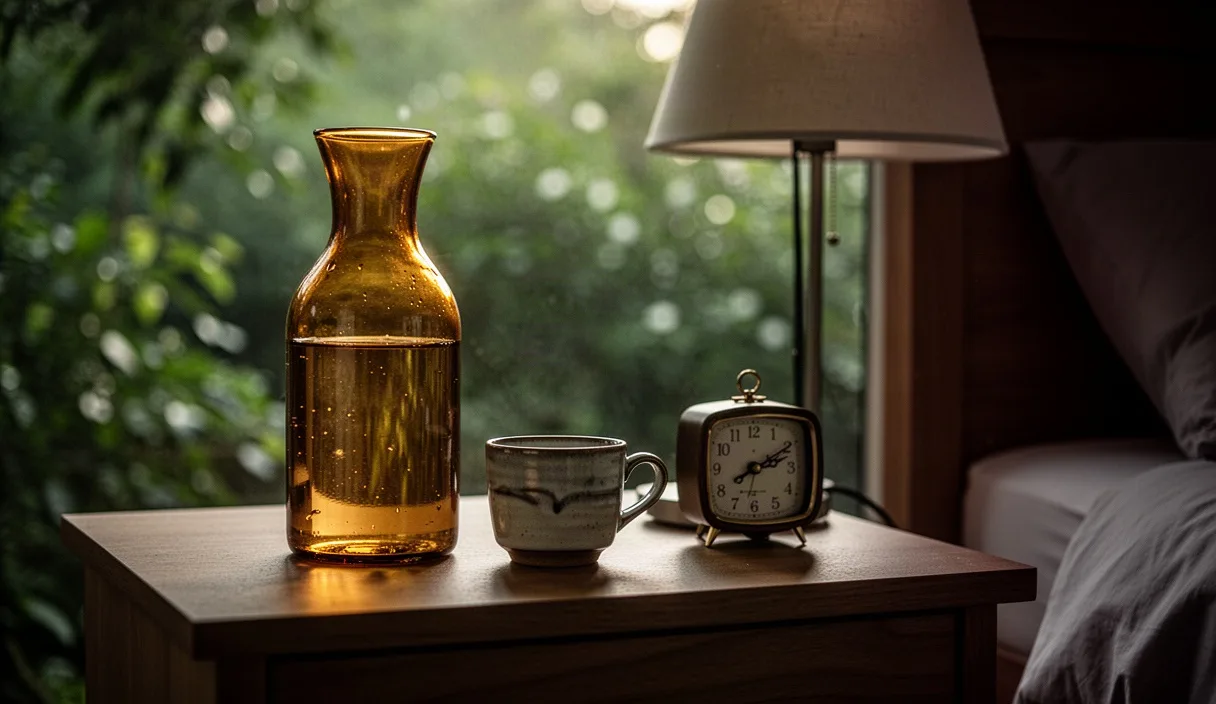
Place a clean, dry change of lightweight sleeping attire directly on a bedside table, alongside an uncovered glass of room-temperature water. If an awakening occurs accompanied by warmth or dampness, change your attire immediately, adjust the bedding to expose your feet to ambient air, and remain still, allowing convective heat transfer to quiet hypothalamic activity.
While environmental modifications reliably lower nocturnal sleep disruption, persistent hot flashes, significant night sweats, or unyielding restful sleep support warrant a clinical evaluation. Severe vasomotor symptoms may indicate underlying endocrinological disorders, thyroid irregularities, or sleep apnea, which frequently mimics thermal arousals. Consulting a physician or an endocrinologist ensures that broader medical issues are addressed alongside practical adjustments to the bedroom microclimate.